Introduction
Masonry has been a keystone of building layout and construction for centuries. The methods employed by skilled masonry service providers have actually evolved substantially from the ancient people that first used the power of rock and block. In this short article, we'll dive deep into the globe of masonry, discovering its rich history, contemporary developments, and understandings from seasoned experts in the field.
What is Masonry?
Masonry describes the building process that uses materials such as stone, block, or cinder block. It's a method that not just stands the examination of time however additionally offers aesthetic appeal and architectural integrity. With roots mapping back thousands of years, masonry has been crucial in creating a few of mankind's most legendary structures.
The Advancement of Stonework Techniques
From Ancient Rocks to Modern Structures: Insights on Masonry Techniques from Skilled Contractors covers a vast array of masonry practices. This development showcases exactly how technologies have transformed standard approaches into modern approaches.
Historical Review of Masonry
- Ancient Civilizations: The Egyptians used stone blocks to produce significant structures like pyramids. Roman Innovations: The Romans improved the use of concrete, allowing for extra complicated designs. Medieval Masonry: Gothic sanctuaries showcased detailed stonework that emphasized height and light.
Each period added special techniques that informed modern-day practices.
Essential Tools Used by Masonry Contractors
Understanding the devices made use of in masonry is important for valuing the craft. Below are some main tools utilized by stonework professionals:
Trowel: Utilized for spreading mortar and shaping bricks. Level: Ensures structures are even. Masonry Saw: Puncture stones and bricks with precision. Pointing Tool: For completing joints between stones.By mastering these devices, service providers guarantee quality workmanship in every project.
Types of Masonry Techniques
Different kinds of masonry strategies satisfy different building demands:
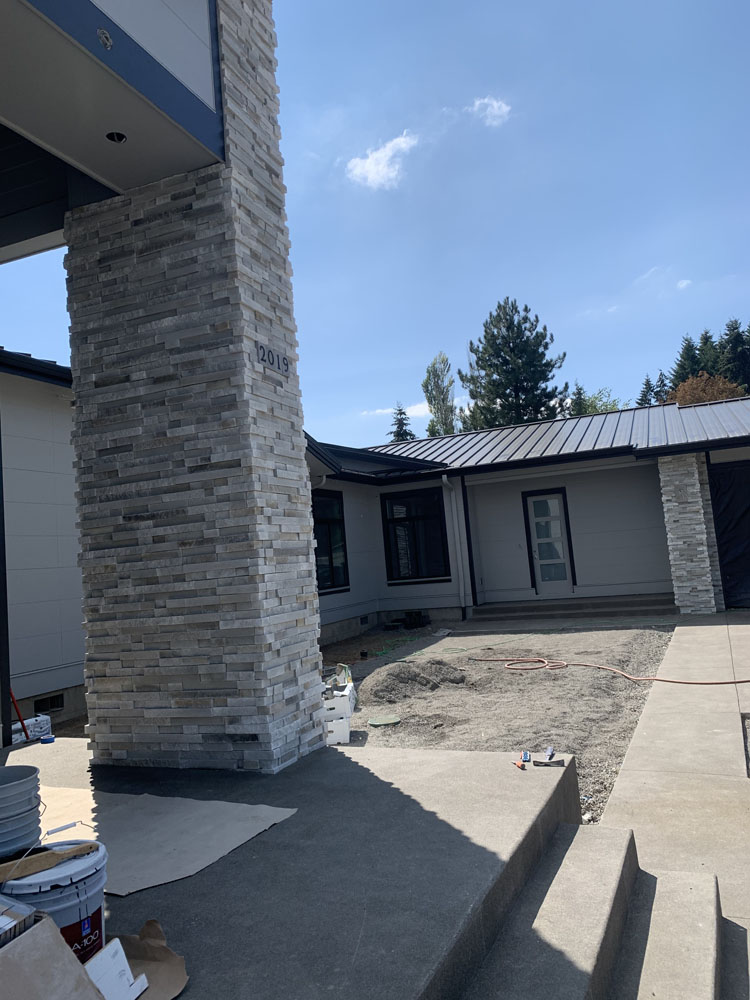
- Brick Masonry: Standard yet versatile, brick provides outstanding thermal properties. Stone Masonry: Involves utilizing natural stones; excellent for durability and aesthetics. Concrete Block Masonry: Cost-effective and strong; ideal for modern-day construction.
Each technique has its advantages relying on job requirements.
The Role of a Stonework Contractor
A masonry service provider plays a vital role in both domestic and commercial tasks. They not only bring experience but additionally make certain compliance with building ordinance and regulations.
Responsibilities of a Stonework Contractor
Assessing Task Requirements Sourcing Quality Materials Overseeing Construction Processes Ensuring Safety and security StandardsThese responsibilities highlight their integral duty in successful construction projects.
The Importance of Quality Materials
Using high-grade products can dramatically influence the durability and look of a framework. Seasonal variations can influence product efficiency, which is why seasoned professionals highlight choosing proper products based upon environmental conditions.
Common Products Utilized in Masonry
- Clay Bricks Natural Stone Concrete Blocks Mortar Mixes
Each product serves its function while adding to overall structural integrity.
Modern Developments in Masonry
As innovation advances, so do stonework strategies. Modern advancements consist of:
3 D Printing Technology: Enhancing building processes. Eco-Friendly Materials: Sustainable options are gaining traction among contractors. Advanced Mortars: Enhance adhesion and toughness under varying climate conditions.These advancements present new possibilities for designers and building contractors alike.
Challenges Dealt with by Today's Stonework Contractors
Even seasoned professionals experience obstacles:
- Weather conditions can delay projects. Material scarcities may emerge unexpectedly. Adapting to new innovations calls for constant learning.
Addressing these challenges is crucial for keeping task timelines and top quality standards.
Safety Practices in Stonework Work
Ensuring safety and security on-site is extremely important for any stonework specialist:
Wearing Individual Safety Tools (PPE) Using scaffolding correctly Proper lifting techniquesImplementing these techniques assists stop accidents and injuries during building and construction activities.
Case Researches of Historical Structures Constructed with Masonry
Examining historic structures uses useful understandings right into efficient masonry practices:
The Great Wall of China
Constructed over centuries, this monumental structure highlights old stonework strategies still appreciated today.
Colosseum in Rome
A marvel of Roman design, showcasing innovative concrete use throughout its time.
By examining these situations, modern professionals can amass lessons applicable to existing projects.
Future Fads in Masonry
As we look in advance, several patterns might form the future landscape of masonry:
Increased Use of Prefabricated Units Enhanced Sustainability Practices commercial masonry construction Digital Cooperation ToolsThese patterns indicate how professionals must continue to be adaptable to flourish in an advancing sector landscape.
Frequently Asked Concerns (FAQs)
1. What makes a good stonework contractor?
An excellent stonework service provider possesses experience, expertise regarding products, focus to information, solid interaction skills, and adherence to safety protocols-- all crucial top qualities that guarantee successful project outcomes.
2. How much time does it require to finish a masonry project?
The timeline differs commonly relying on elements such as task size, complexity, material availability, weather, and workforce effectiveness-- varying from weeks for tiny work to months for bigger building and constructions like structures or walls.
3. What prevail problems faced during masonry work?
Common issues include dampness seepage leading to mold and mildew growth or wear and tear over time; improper mixing ratios triggering weak bond strengths; weather-related delays; or unexpected structural problems discovered throughout improvements or repair work-- each requiring careful management by proficient contractors.
4. Is it necessary to work with specialists for little stonework jobs?
While DIY fanatics may tackle minor fixings or installations themselves if they have adequate skills/knowledge about appropriate tools/materials involved-- it's typically suggested hiring experts makes sure top quality handiwork decreases potential errors/costly mistakes down road-- specifically when structural honesty at stake!
5. Exist environment-friendly options offered in masonry?
Yes! Numerous suppliers now generate lasting products designed especially minimize environmental influence-- such as recycled material bricks/concrete blends-- enabling clients build responsibly without giving up style/functionality!
6. What upkeep does stonework require over time?
Routine examinations need to be carried out determine visible cracks/joint splitting up ensuring seals intact avoiding water damages-- routine cleansing will certainly additionally maintain surface areas looking fresh/appealing while securing underlying framework integrity!
Conclusion
In conclusion, exploring the journey "From Ancient Rocks to Modern Structures: Insights on Masonry Techniques from Seasoned Service providers" exposes not just history but also innovation within this ancient craft-- a testimony strength versatility showed throughout centuries! With each passing years brings forth new challenges & & chances forming future landscape industry, yet core principles workmanship remain the same assisting hands experienced masons today in the direction of creating sensational long-lasting jobs design motivating generations yet come!